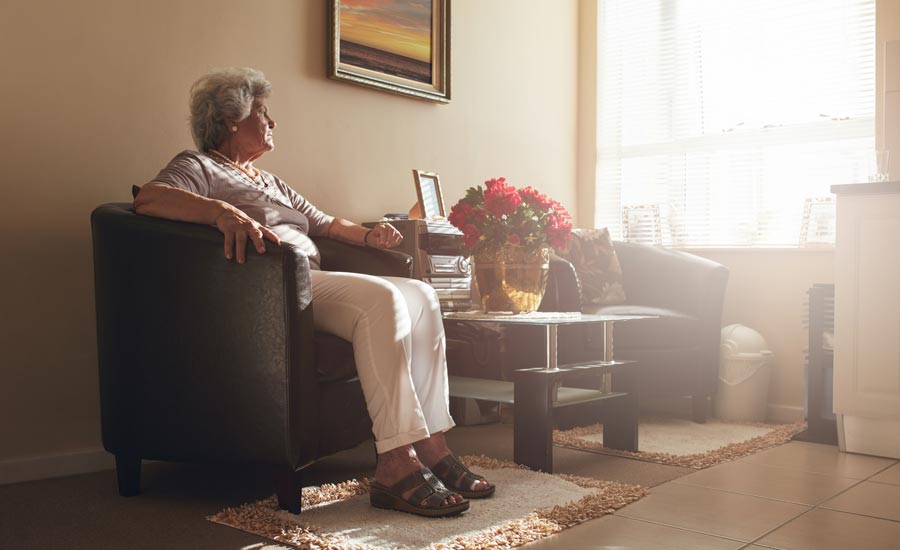
When a family member moves into dementia care, you’ll naturally wonder about their daily experience and how their time will be structured – including dementia activities.
For our residents living with dementia, we prioritise consistency and familiar environments to provide more comfort than many of us appreciate.
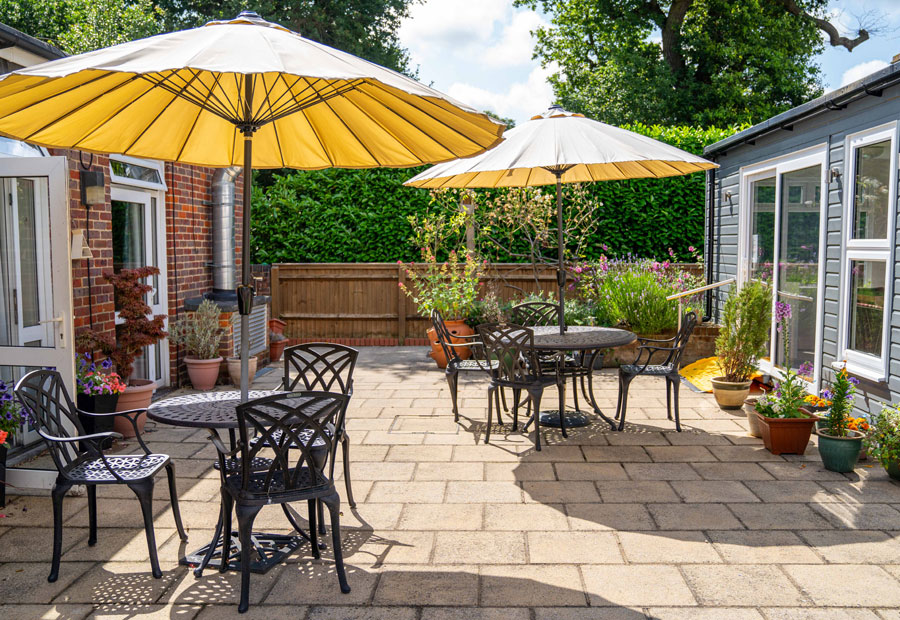
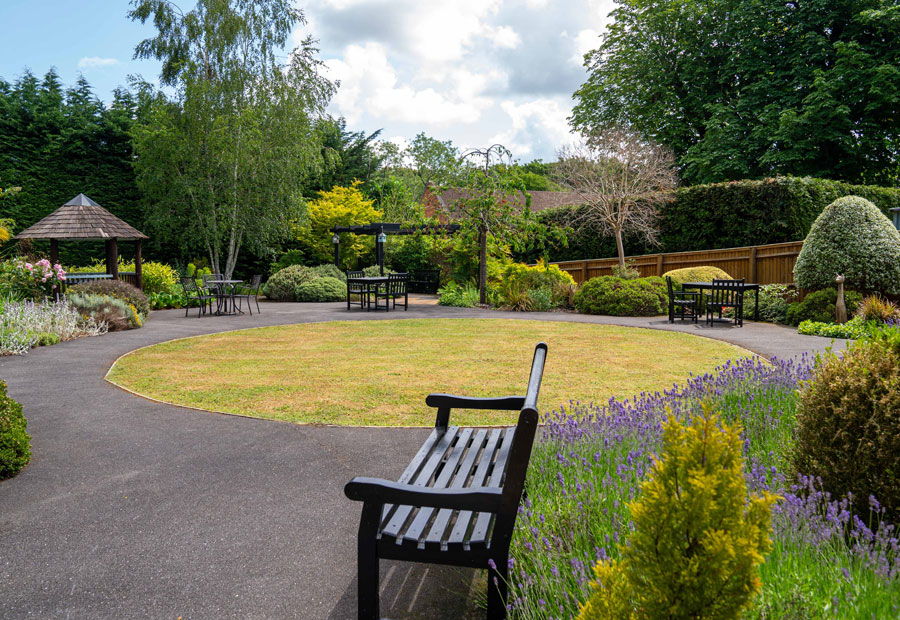
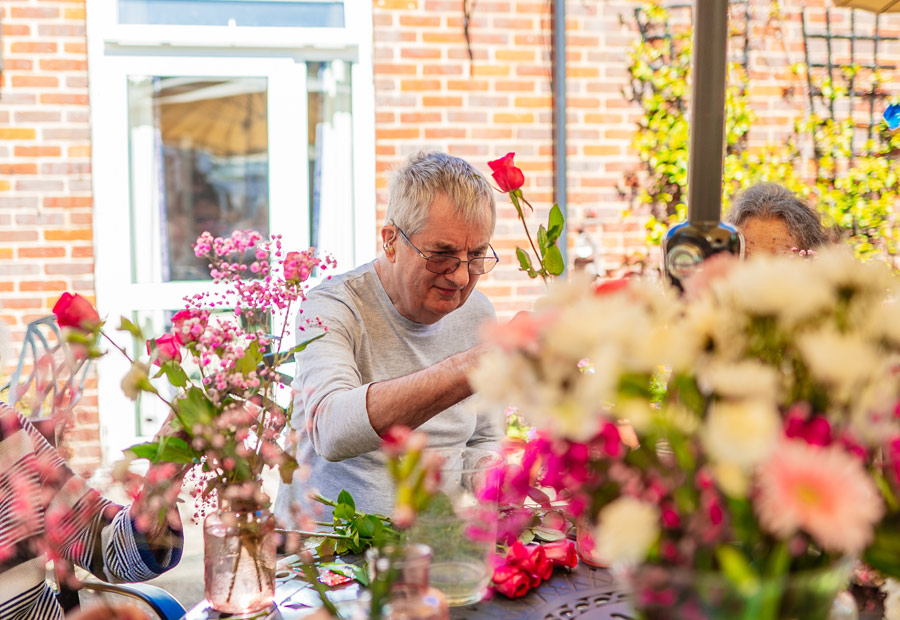
Austenwood is an Alzheimer’s care home where dementia activities are woven into each day, with various opportunities including arts and crafts, gentle fitness sessions, music therapy and horticultural activities in our sunny, spacious garden. Our residents also benefit from regular community outings to nearby towns, garden centres, cafes and local attractions, which keep them active and engaged in life.
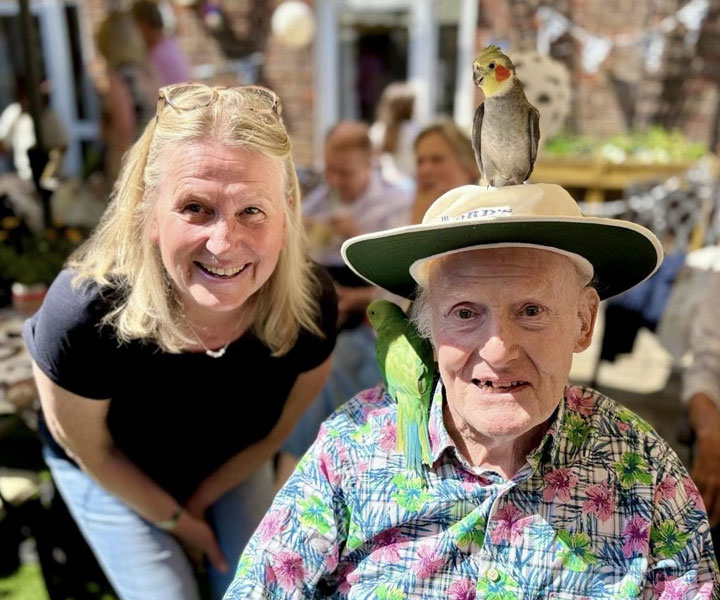
Our dementia care therapy in Buckinghamshire allows residents to choose activities each day based on their mood and energy levels, whether they’re seeking companionship or prefer quieter moments.
Our specialist team facilitates every activity and therapeutic session, all qualified in dementia care, with expertise in adapting support as your loved one’s cognitive and memory needs evolve.
Types of Dementia We Support
Our specialist team at Austenwood provides care for residents experiencing various forms and stages of dementia.
We support…
Alzheimer’s disease
For our residents with Alzheimer’s, we construct their days around familiar activities and memory-focused dementia activities. Consistent schedules and personal, meaningful objects help our residents with Alzheimer’s feel more oriented and at ease.
Lewy body dementia
With Lewy body dementia, our trained staff pay particular attention to fluctuations in alertness and perception. Quieter environments and adaptable activities work best, especially when the resident experiences visual disturbances or reduced attention span.
Vascular dementia
If our residents experience vascular dementia, we structure activities with regular rest periods. Physical stamina is closely monitored, with opportunities to pause during each session.
Frontotemporal dementia
Care for frontotemporal dementia focuses on predictable patterns and personal preferences. Structured routines help our residents with dementia navigate changes in personality or language abilities with greater ease.
Feel free to arrange a visit to Austenwood to meet our staff and experience our fantastic facilities.
Supporting Life at Our Dementia’s Care Home
Our Dementia care therapy in Buckinghamshire evolves alongside your family member’s changing needs, maintaining continuity rather than creating sudden shifts in their daily experience.
Cognitive & Therapeutic Sessions
Dementia activities run throughout the day and are modified to match residents’ current level of functioning.
Creative activities for dementia are all accessible and enjoyable, preventing frustration while encouraging participation.
We incorporate music as a therapeutic tool, whether as calming background accompaniment or as part of interactive group sessions.
Memory work draws on personal belongings, photographs and life stories to support connection and recognition in a delicate, unhurried way, ensuring well-being and comfort.
For moments when your loved one needs more peace and quiet, our home has designated calm spaces with reduced stimulation and tactile materials readily available, helping them feel secure and at ease.
Social Engagement & Community Interaction
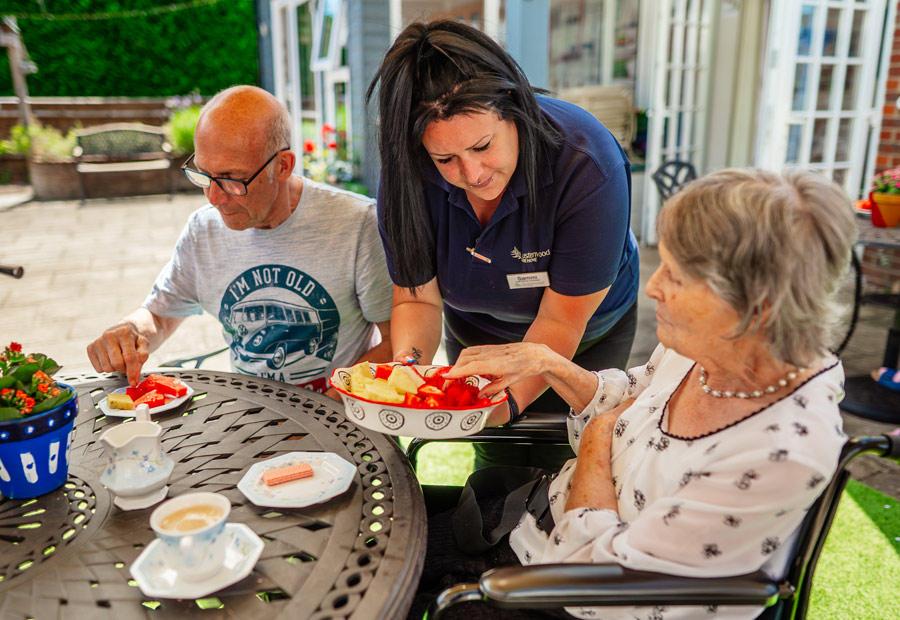
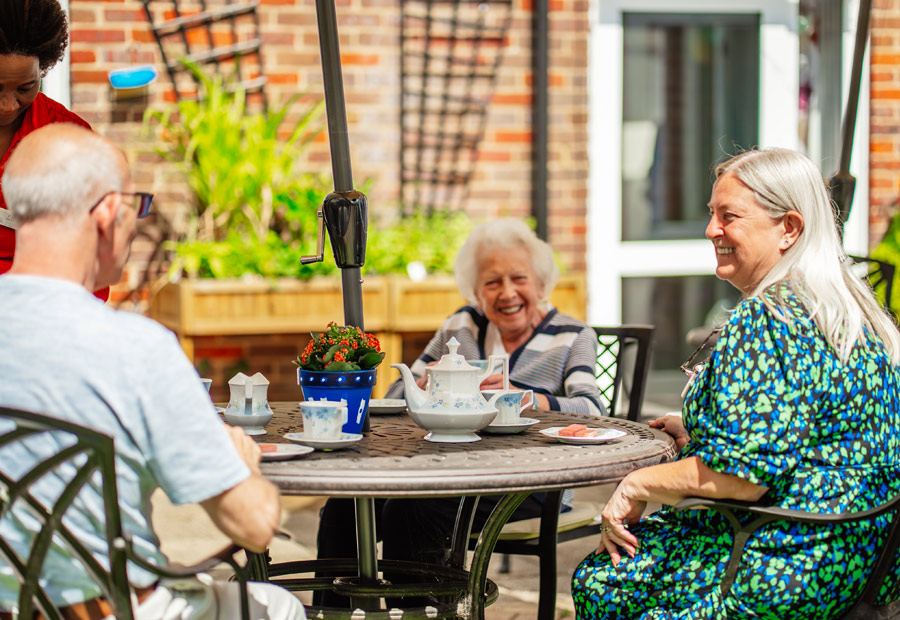
Social connection at Austenwood develops organically as part of daily life, with residents gathering in communal spaces, during mealtimes, in outdoor areas or while enjoying refreshments together.
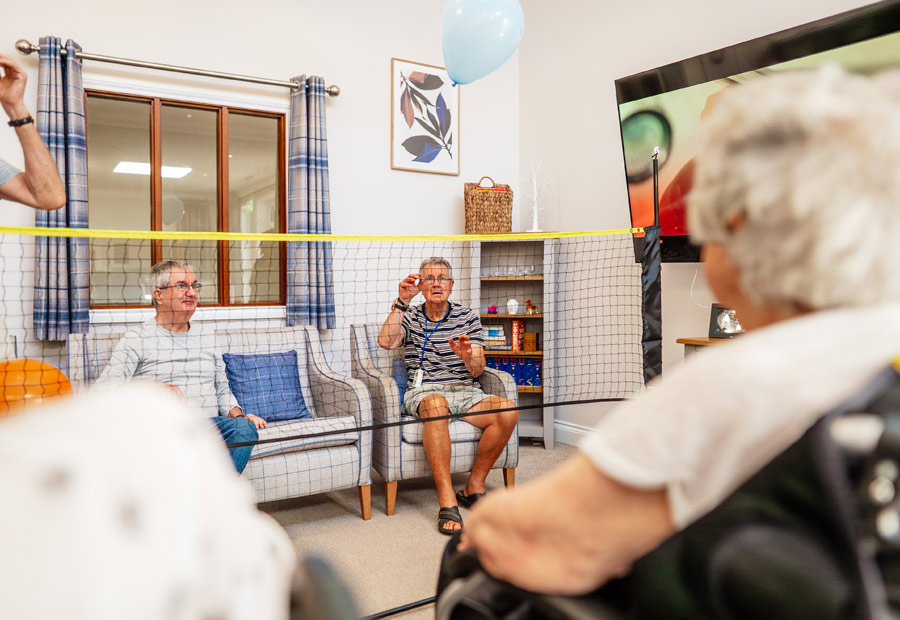
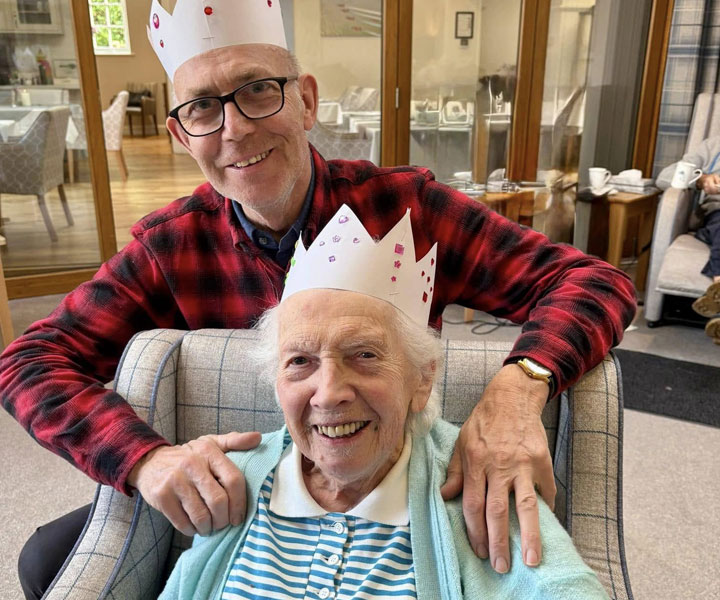
Organised activities, including games, entertainment or celebrations, are scheduled regularly, and residents participate when they feel like it. Community trips in our adapted vehicle are a valued part of life here, with excursions to market towns, tea rooms and green spaces arranged regularly.
Physical Wellbeing & Movement
Movement is integrated into daily life at Austenwood to support our residents’ physical health and independence.
Our residents with dementia are encouraged to navigate the home independently, enjoy the secure outdoor spaces and transition between different areas throughout their day.
For those who prefer organised exercise, gentle chair-based sessions are regularly offered.
When stability or coordination requires additional support, our team provides reassuring, practical assistance.
Personalised Daily Routines
We will stay true to your family member’s life before moving into Austenwood, with their days structured to reflect their preferences and lifestyle.
We make sure their schedules, quiet times and preferred dementia activities remain the same as much as possible, making each day feel more predictable and manageable for them as they navigate life with dementia.
These consistent routines are central to our dementia care therapy in Buckinghamshire.
With familiar staff members, repeated patterns and comfortable spaces, residents can go about their day feeling secure and capable.
A Personal Approach to Dementia Activities
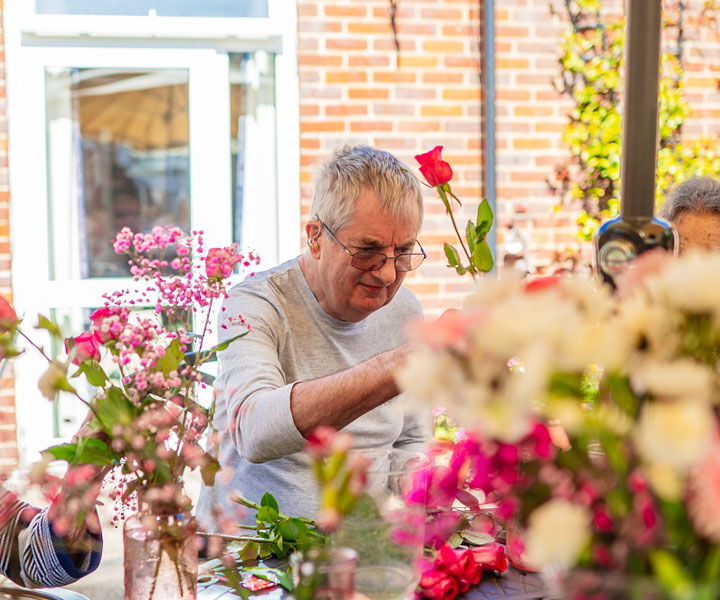
Dementia affects everyone differently, which is why activities at Austenwood start with the person.
We look at who your loved one has been throughout their life and what they’ve enjoyed, making sure it still feels familiar day to day at Austenwood. Those details also guide how their activities are planned and introduced.
Some of our residents respond best to music they recognise, familiar routines or sitting with a member of the team for conversation.
But, if your loved one prefers being part of a small group, they can take part in reminiscence sessions or engage with sensory activities that feel grounding and enjoyable.
This method helps dementia activities feel reassuring, avoiding overwhelming and distressing situations. We support emotional well-being, helping to reduce distress and create moments of connection that still carry meaning, even as memory and communication become more difficult.