How Outdoor Spaces Improve Daily Life in Care Homes
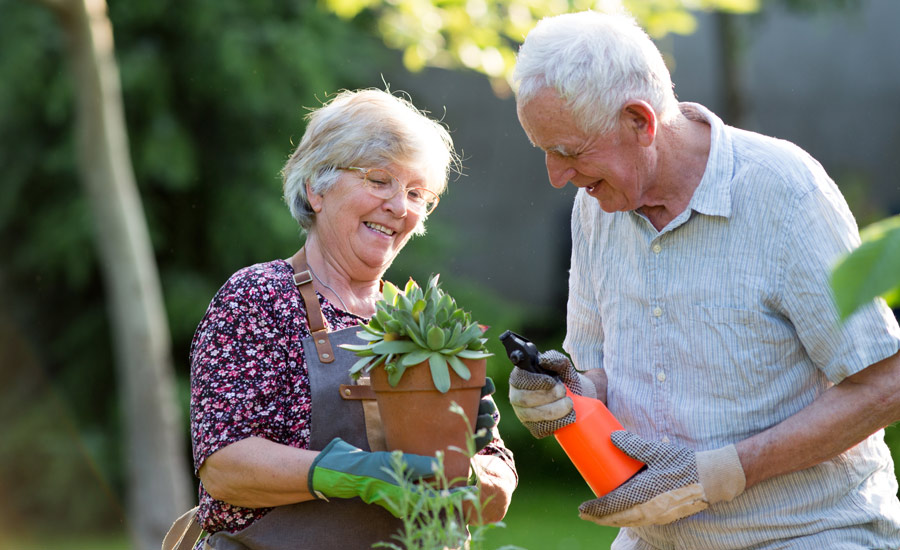
In care homes, much of the day is spent indoors. Meals, activities, visits and rest often take place in the same shared spaces around the home, and over time, this can make days feel long and repetitive for residents.
Having access to outdoor spaces enhances residents’ lifestyle, improving mental well-being, promotes independence and physical health.
Keep reading to learn how outdoor spaces improve quality of life in care homes and why access to the outside matters in everyday life.
How Does Outdoor Access Improve Quality of Life in Care Homes?
Spending time outside in care homes encourages gentle movement and sensory engagement, both of which research links to improved mood and reduced anxiety among older adults. Green spaces also provide opportunities for light activity, like walking and gardening, which support mobility and circulation. Contact with nature has been associated with better sleep regulation and attention restoration, with many older residents expressing a desire for regular contact with natural settings. In surveys of older adults in assisted living, most residents said nature and outdoor time were important to them, even when mobility was limited.
Breaking Up the Day
Days in care homes can feel long and repetitive when time is mostly spent indoors.
Residents can start to notice shadows change on the walls, clocks pass and routines repeat without much variation. Having opportunities to go outside interrupts that boring cycle.
Stepping into a spacious garden or any outdoor area gives residents a refreshing change in light, air and sound, which means a part of the day has moved on. Looking at flowers, listening to the birds and feeling the temperature change after lunch or later in the afternoon lets them feel that the day is progressing, especially as life can become stagnant as we age.
This is fantastic for residents living in care homes because some research notes how contact with outdoor environments can support physical activity and social contact, which are linked with more engagement during the day.
Even a few minutes sitting on a bench, strolling along a path or time beside raised planting give residents a chance to experience the day in a way that indoor spaces rarely provide. And the good news is that those breaks outside in the fresh air don’t have to be long to be effective.
Older adults in residential settings report that outdoor access helps them feel more connected to the world beyond the care home walls and gives structure and meaning to their waking hours.
Ready to explore...
Social Time and Quiet Time Outside
Outdoor areas give care home residents more choice over how they spend time with other people.
Some residents are nervous and being outside makes conversation easier for them. That’s because sitting next to someone on a bench, watching what’s going on in the garden or sharing a drink outdoors can feel less pressured than talking in a busy lounge. Also, there’s something to look at and something happening around them, which takes the focus and pressure off the conversation itself.
Outdoor spaces also suit residents who enjoy company but don’t want organised social activity.
Being near other residents without the need to join in can actually still feel social. Residents may sit close to one another, listen, watch or exchange a few words without feeling expected to take part.
There are residents who use outdoor spaces to step away from the noise and constant movement happening indoors. Sitting outside alone or with one other person can offer a break, offering some peace and quiet. This can be especially important after family visits, during a low mood or later in the day.
Families often use outdoor areas too when visiting a loved one. A short walk, sitting together outside or having a private conversation can feel more natural than inside, around lots of people.
Outdoor access allows residents to choose how close or distant they want to be from others at different times of day.
Times When Outdoor Access Makes the Biggest Difference
Some points in the day seem to suit outdoor time better than others:
After meals
Residents may want a change of scene after lunch or tea is finished. Sitting outside gives the afternoon a fresh start, especially if indoor spaces feel too hectic at that point.
After visits
After family members leave, some residents look for a space relax and process the visit. Homes with beautiful, spacious outdoor areas give them a place to think or sit quietly before rejoining the shared rooms inside.
Late afternoon
This is often when restlessness shows up, especially for residents with dementia. Even half an hour outside can make them feel better and make the move into the evening easier.
During quieter periods
Residents who don’t take part in group activities can still use outdoor areas. They can watch on from the sidelines and still feel involved.
When mood changes
Staff and families often notice that stepping outside helps residents settle when something feels off, even if it’s hard to explain why.
Time Outside in Everyday Care
We now have an idea about how outdoor access benefits residents living in care homes.
It offers variety, provides space away from shared rooms and other people, allowing time to pass in a more natural way that feels much better than rigid routines.
When care homes have a well-maintained garden that is easy to navigate and is part of everyday life, they are actually more likely to spend time outside in ways that suit them, making daily life feel less repetitive, keeping residents connected to the world around them.
Ready to explore...
