The Difference Between Being Alone and Being Lonely in a Care Home
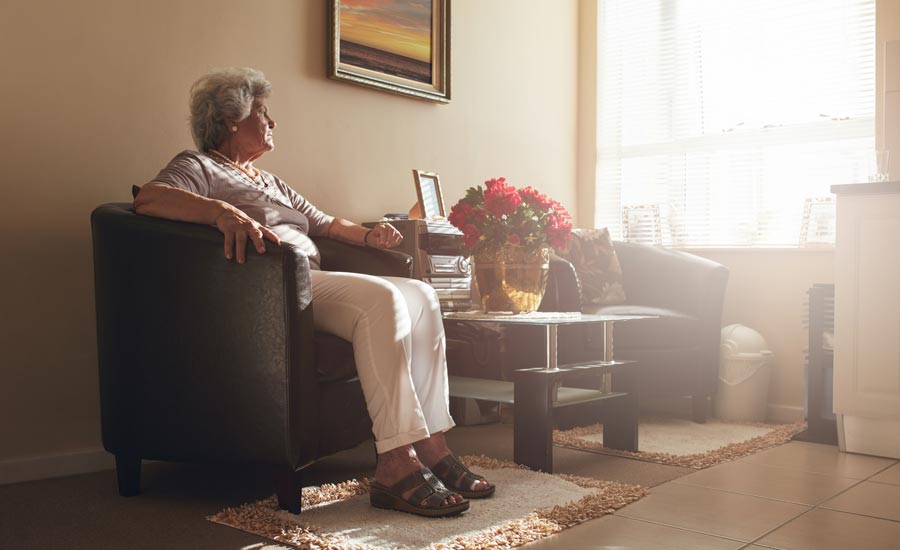
When moving a loved one into a care home, you may wonder whether they will feel lonely.
It’s important to recognise that loneliness and being alone are not the same thing. This article explores the differences between these two feelings, because understanding them can help you better support your loved one living in a care home.
What is the Difference Between Being Alone and Being Lonely in a Care Home?
Being alone means being without company. Being lonely means feeling disconnected, unseen or without meaningful relationships and it can actually happen just as easily in a busy care home as it can in an empty room. Research shows that loneliness in older adults is defined not by how many people are around them, but by the quality and meaning of their social connections.
Loneliness vs Alone – Two Very Different Experiences
Solitude and loneliness are often treated as the same thing — but they’re very different.
There are some residents who genuinely value time alone. After a long life of work, family and social obligations, they like to slow down and enjoy some quiet time alone. And if they want to spend a morning reading in their room, decline an activity session or prefer a one-to-one conversation over group events, they’re not necessarily lonely and may be perfectly content.
But loneliness is something else entirely.
Feeling lonely is caused by the gap between the social connections a person has and the connections they want. A resident can sit in a full dining room, attend every activity on the calendar and still feel profoundly isolated if those interactions don’t feel meaningful to them.
As a family member, it’s important to understand these distinctions because care homes that measure social well-being solely by activity attendance can miss the residents who need support most, potentially neglecting your loved one’s emotional health.
Why Loneliness is so Common in Care Homes
Several factors make older adults in care homes particularly vulnerable to loneliness, regardless of how much is going on around them.
Here are a few reasons why it can happen:
Loss of familiar relationships
Moving into a care home often means leaving behind neighbours, friends and the informal social fabric of everyday life. Those relationships are hard to replace.
Communication difficulties
For residents living with dementia, hearing loss or conditions affecting speech, group settings can be overwhelming or impossible to engage with meaningfully, making connections harder even when opportunities are present.
Personality and preference
Introverted residents, or those who have always had small social circles, may find care home life socially intense and withdraw as a result, which can cause loneliness without anyone noticing.
Bereavement
Elderly adults in care homes often experience repeated loss as peers and friends pass away. Each loss can deepen a sense of isolation that social activities alone can’t help.
Misattunement
Homes that offer group sing-alongs and bingo sessions work well for some residents, but for others, they can actually feel quite alienating. A care home resident who has spent their life discussing literature or debating politics may find little to connect with in a standard activities schedule.
What Good Care Homes Look for to Prevent Loneliness
Staff who know their residents well are the most reliable early warning system for loneliness. Meaningful relationships between residents and carers, built over time, make it far more likely that loneliness will be spotted and addressed before it becomes entrenched.
Some of the loneliness signs care homes watch for include:
- A resident who has become noticeably quieter or more withdrawn
- Reduced appetite or interest in things they previously enjoyed
- Increased anxiety, irritability or low mood
- A resident who frequently asks staff to stay and talk
- Physical complaints with no clear medical cause, which research has linked to loneliness in older adults
Please note that none of these signs is definitive on its own, but together they can indicate that a resident is struggling socially in ways that aren’t immediately visible.
Families and Reducing Care Home Loneliness
Just like care staff, families are often the first to notice when something has shifted in a loved one. If a resident begins to seem flat or disengaged, or mentions feeling like nobody really knows them, it’s worth raising it directly with the care home rather than waiting to see if it passes.
It’s also worth remembering that family visits to the care home, even short and regular ones, are one of the most effective ways to reduce loneliness in care home residents, because they provide the kind of relationship that feels authentic and meaningful to most people.
Care homes are also increasingly using technology to reduce loneliness, helping residents stay connected with family and friends between visits. That includes video calling, digital photo sharing and tablet-based activities, all of which are making a measurable difference for residents whose families live farther away or visit less frequently.
Making Sure Care Homes Reduce Loneliness
For families choosing a care home, it’s extremely important to ask how the home gets to know its residents as individuals.
How do staff learn what a resident cares about, what kind of company they enjoy and what makes them feel connected?
Care home activities matter, but they are not the only factor for reducing loneliness in elderly adults. The quality of relationships between staff and residents, and between residents themselves, is where better mental and emotional health can really happen.
Alone Isn’t Always the Problem
Loneliness in care homes is a serious issue and the sector is increasingly taking steps to address it.
But solving it starts with understanding it accurately. Because a resident who feels genuinely known by the people around them is far less likely to experience loneliness.
Ready to explore...
