What Does Healthy Ageing Really Mean?
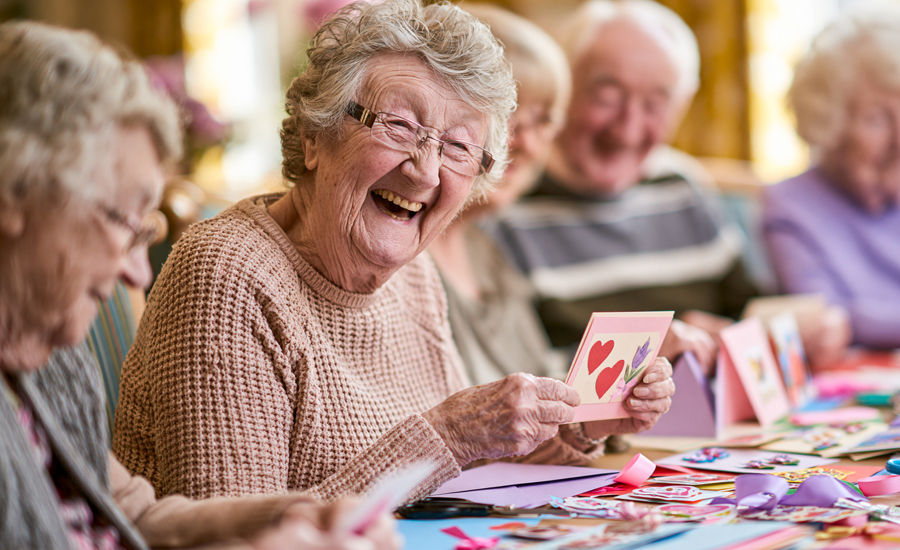
When we talk about healthy ageing, it’s easy to focus on physical health. Staying mobile, eating well and managing medical conditions are all important, but there’s much more to ageing well than keeping physically fit.
Ageing brings changes to our health, mobility and the way we go about everyday life, but these changes don’t have to mean losing the independence or enjoyment we’ve always valued. With the right support, older people can continue pursuing their interests, spending time with the people they care about and making the most of each day.
In this article, we explore what healthy ageing really means, the factors that contribute to well-being as we get older and how care homes can help residents maintain a good quality of life.
What Is Healthy Ageing?
Healthy ageing means maintaining the physical and mental abilities needed to enjoy a good quality of life as we get older. According to the World Health Organisation, this includes staying independent, maintaining relationships and continuing to enjoy meaningful activities, even when living with health conditions or needing additional support.
Why Healthy Ageing Is About More Than Physical Health
Our physical health strongly influences how we experience later life, but feeling well and enjoying life also depends on our emotional well-being, relationships and ability to make our own decisions.
This is reflected in the World Health Organisation’s concept of functional ability, which considers how well someone can meet their everyday needs and continue doing the things that matter to them.
In a care home, for example, a resident might need assistance getting dressed or moving around but still enjoy an active social life and take part in their favourite hobbies. Having support with these tasks can help them conserve their energy for the activities they enjoy and maintain a sense of independence.
It’s an important part of healthy ageing because quality of life is influenced by what people can continue to do and enjoy, even as their physical abilities change.
Five Important Factors That Support Healthy Ageing
There are several areas of everyday life that can make a difference to how people feel and function as they grow older:
1. Staying Physically Active
Regular movement helps older adults maintain muscle strength, balance, posture and joint mobility.
These abilities are incredibly important for everyday tasks such as getting out of a chair, walking around the home or dressing independently.
Activities can be adapted to different abilities. Walking, gardening and chair-based exercises all provide opportunities to keep moving.
Even residents with limited mobility can benefit from physical therapy and appropriate exercises that help maintain their existing strength and range of movement.
2. Eating Well and Staying Hydrated
Our nutritional needs change with age and some older people experience reduced appetite or find eating more difficult.
Protein is particularly important for maintaining muscle mass, while adequate calcium and vitamin D support bone health. Drinking enough fluids also helps prevent dehydration, which can contribute to confusion, constipation and urinary tract infections.
Regular nutritional meals in care homes provide an opportunity to monitor residents’ appetites and identify changes that might indicate a nutritional concern.
3. Maintaining Friendships and Social Connectionse
Social relationships have a significant influence on well-being in later life.
Spending time with friends, talking to relatives and participating in shared activities can help older people feel connected to those around them.
Care home residents can benefit from regular opportunities to meet others, whether that’s through organised activities or conversations over meals.
These everyday interactions become particularly important for residents who have experienced bereavement or have fewer opportunities to see family.
4. Keeping the Mind Active
Learning and maintaining interests can continue throughout later life.
Reading, playing games, listening to music and participating in discussions encourage residents to use their cognitive abilities. Familiar hobbies can also provide enjoyment and help people maintain a connection with their previous routines.
For residents living with dementia, activities can be adapted to their interests and current abilities, allowing them to continue participating in ways they find comfortable.
5. Having Choice and Independence
Being able to make decisions about everyday life remains important at every age.
For care home residents, this includes choosing what to wear, deciding when to participate in activities and having a say in their daily routine.
Residents who need physical assistance can still make these decisions for themselves.
How Can Care Homes Encourage Healthy Ageing?
Trained care home staff have an important role in helping older residents maintain their abilities and enjoy activities that are meaningful to them.
This starts with understanding what each resident can do independently and where they need extra support.
For example, a resident who struggles to stand for long periods might still enjoy preparing vegetables while seated. A resident who previously enjoyed gardening might prefer tending raised planters that are easier to reach.
Supporting healthy ageing also means recognising changes in residents’ health, because a sudden loss of appetite, reduced mobility or withdrawal from social activities can signal that someone needs additional support.
By responding to these changes and encouraging residents to remain involved in daily life, care homes can help residents maintain their abilities for as long as possible.
Supporting Healthy Ageing in Later Life
As your loved one grows older, their needs will naturally change and having the right support can make a real difference to their quality of life. Even when they start needing help with everyday tasks, there are still plenty of opportunities to stay involved in activities they enjoy and maintain their independence.
In care homes, encouraging residents to remain active, spend time with others and make decisions about their daily routines can help them feel more confident and involved in everyday life. These are all important parts of healthy ageing and can continue to make a difference well into later life.
Ready to explore...
