How Care Homes Help Residents Stay Connected to Their Local Community
If you’re worried that your loved one will be isolated after they move into a care home, it might be reassuring to know that many homes provide regular opportunities for residents to stay involved in their local community.
This can also include continuing activities they enjoy, as well as maintaining friendships and community connections that were already part of their life before moving into the home.
Keep reading to learn more about the different ways residents can stay involved in local life after moving into a care home.
How Do Care Homes Keep Residents Connected to the Community?
Care home residents can stay connected to the community through local outings, events and activities, as well as links with nearby schools, churches, charities and community groups. Residents can also be supported to continue existing hobbies, friendships and memberships, giving them many opportunities to maintain relationships and take an active part in local life.
Helping Residents Continue the Activities They Already Enjoy
Residents often have hobbies, memberships and routines they want to continue after moving into a care home.
Care homes must reasonably honour these to ensure your loved one maintains independence and dignity.
Depending on the resident’s interests and abilities, this could include:
- Arranging transport so they can continue attending a club or regular activity
- Supporting them to attend church services or other places of worship
- Visiting a favourite cafe, pub or restaurant
- Continuing memberships of local societies, associations or interest groups
- Attending local exercise classes, walking groups or accessible sports sessions
- Visiting the library to choose books or attend regular events
- Going to local markets and seasonal events
- Continuing appointments at a familiar hairdresser or barber
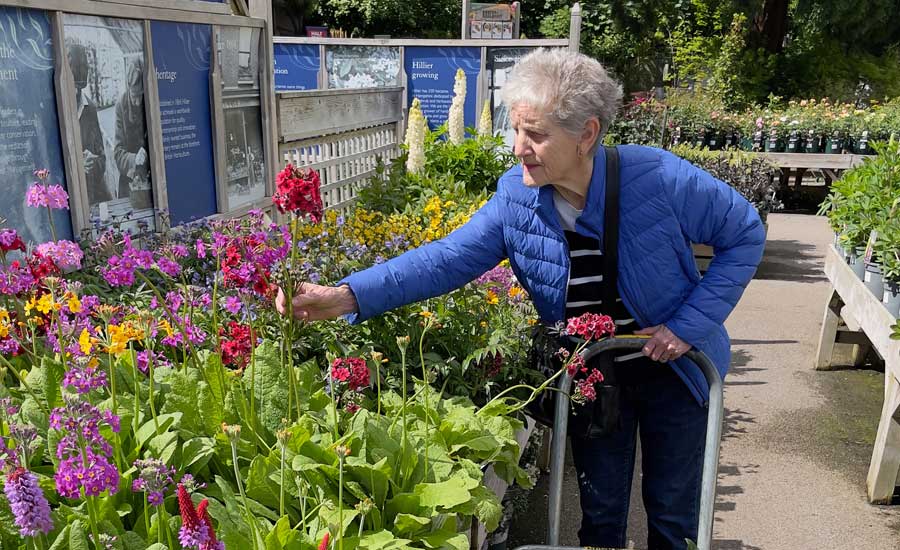
- Visiting garden centres, parks or other places the resident regularly enjoyed before moving
- Attending local theatre performances or cinema screenings
- Continuing to support a local sports team by attending matches where practical
- Taking part in community gardening or allotment groups
- Meeting up with friends who still live locally
- Attending remembrance services and other events that are personally important to them
- Continuing voluntary roles or involvement with local charities where this remains suitable
- Arranging appropriate assistance when a resident needs support to take part safely
Bringing the Local Community into the Care Home
Community involvement can take place within the care home too, including:
Schools and Nurseries
Visits from nearby schools and nurseries can include reading sessions, arts and crafts, gardening projects or performances. Regular visits give residents and children time to get to know each other, especially when the same group returns throughout the year. Intergenerational activities can give residents and younger visitors a shared purpose to learn from together.
Live Entertainment
Local singers, musicians, choirs and theatre groups love to perform at care homes, providing entertainment to residents who enjoy music and the arts. Residents’ own tastes and interests can be taken into account when arranging entertainment, particularly when performers are invited back regularly.
Staying Connected to a Resident’s Church
For a resident who attended the same church for many years, maintaining contact with the parish community will be extremely important. Local priests and church members can visit the home, with services, prayer groups or Holy Communion being arranged for residents who are unable to attend church themselves.
Local Clubs and Societies
Community organisations can bring their own interests into the home. A local history society could talk to residents about the area, while gardening groups might run planting sessions or work with residents on a garden project.
Fundraising
Residents can continue supporting charities and causes that matter to them. They might choose a charity to support and become involved in organising a coffee morning, raffle, sponsored activity or sale.
Welcoming Volunteers from the Community
Regular volunteers can become familiar faces around the home. Some may spend time chatting or reading with individual residents, while others could run a group or share a particular hobby or skill.
Events at the Care Home
Summer parties, Christmas fairs, open days and coffee mornings bring families, neighbours and other local residents into the care home. Residents may want to prepare items for a stall, help choose activities or welcome visitors on the day.
Working with Businesses in the Local Area
Local businesses can get involved in activities and events at the home. A garden centre could support a gardening project or a nearby business could donate a raffle prize for a fundraiser. These relationships also introduce residents to businesses and staff they encounter when out in the local area.
Local Celebrations
If there’s something going on in the local area, care homes can support residents where attending is difficult by bringing part of the event to residents through visiting groups or related activities.
Benefits of Maintaining a Social Life After Moving into Care
It’s highly beneficial for your loved one to maintain relationships outside the care home, as this can reduce the risk of loneliness and give residents regular contact with a wider range of people. It can be particularly important following a move into care, when a resident is adjusting to changes in where they live and how they spend their day.
There are other benefits too:
- Continuity – Keeping social arrangements in the diary retains a sense of familiarity from life before the move.
- More social contact – Community activities introduce residents to people of different ages and backgrounds beyond those they see at the home each day.
- Independence – Choosing where to go, which groups to join and how to spend their time gives residents control over their social lives.
- Using existing skills – Residents can continue contributing their knowledge and experience through volunteering, fundraising or projects with local organisations.
- Physical activity – Some community activities involve walking, gardening or other movement, which can contribute to a more active routine.
Helping Your Loved One Stay Part of Local Life
From keeping up regular hobbies and friendships to welcoming visitors, performers and volunteers into the home itself, there are plenty of ways for residents to stay connected to the people and places that matter to them.
So if you’re currently in the process of choosing a care home for a family member, ask how the home supports residents in continuing their existing activities and relationships and what community links it already has in place.
Residents who keep these connections tend to settle in faster, whilst feeling more like themselves and having something to talk about besides the home itself.
And for families, knowing that these routines and relationships can continue will be as reassuring as any other practical care arrangements.
Ready to explore...
